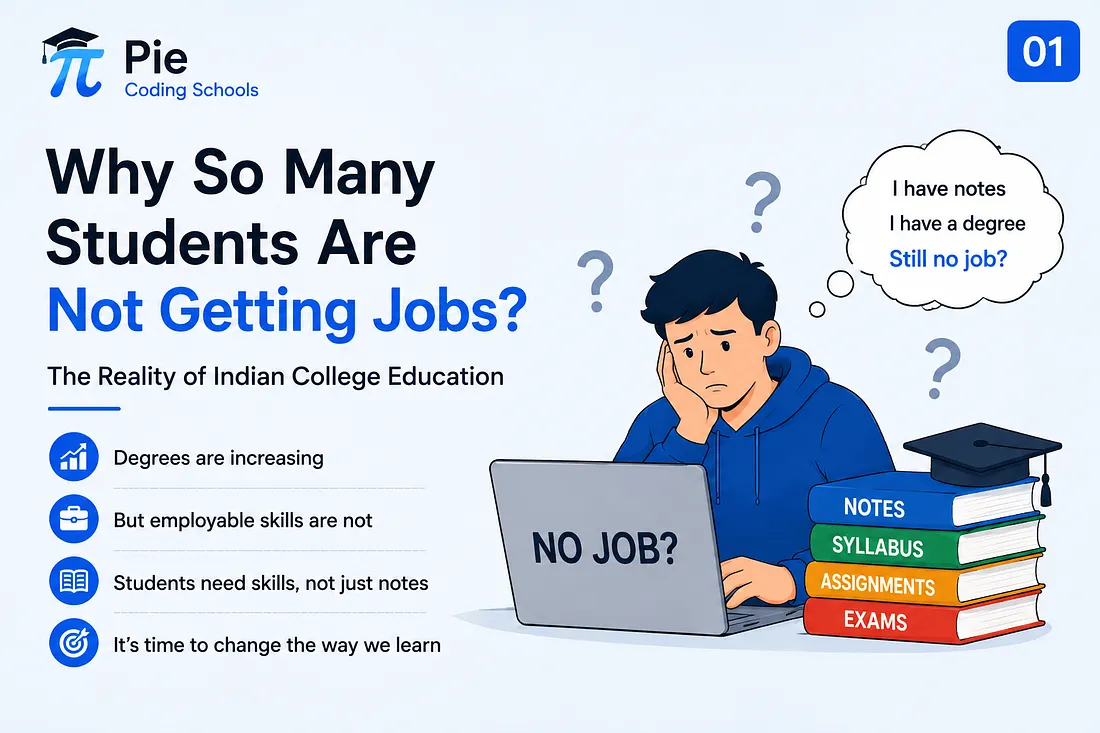
Every year, lakhs of students graduate with BCA, B.Tech, MCA, and other computer science degrees.
Yet many of them struggle to get their first job.
The question is:
If students are studying for 3–4 years, why are they still not industry-ready?
Let’s talk about the reality.
The Problem Isn’t That Students Are Lazy
Most students genuinely want to learn.
They buy courses, watch YouTube videos, attend college classes, and prepare for exams.
But many still don’t know how to build even a simple real-world application.
Why?
Because the education system often focuses on passing exams, not building skills.
Year 1: The Foundation Is Missing
In many colleges, first-year students are introduced to advanced topics like Artificial Intelligence (AI) or Machine Learning (ML).
AI and ML are exciting technologies.
But here’s an important question:
How can a student understand AI without first understanding programming?
Imagine teaching someone to drive a Formula 1 car before they even know how to ride a bicycle.
That’s what it feels like for many students.
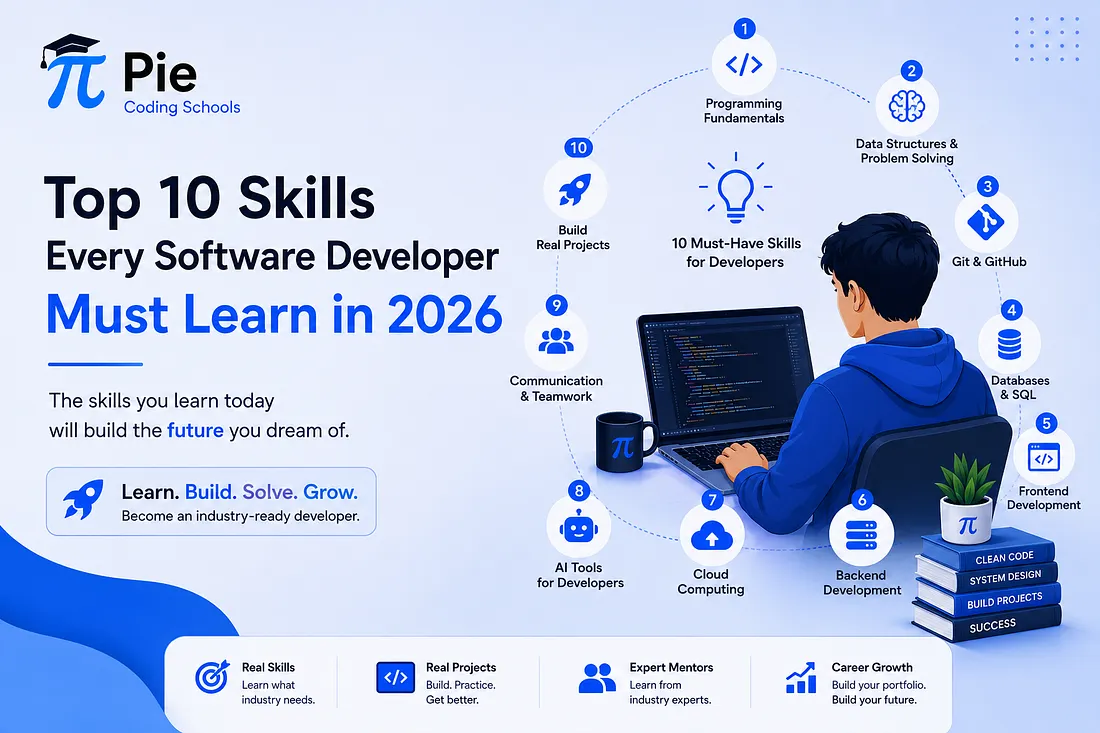
Before learning AI or Machine Learning, every student should first understand:
- C Programming or Python Basics
- Variables
- Data Types
- Loops
- Functions
- Arrays
- Problem Solving
- Basic Mathematics
- Data Structures (Introduction)
Without these fundamentals, AI becomes another theory subject that students memorize just to pass exams.
Many students leave the classroom thinking:
“AI is too difficult.”
The reality is different.
AI isn’t difficult. Learning AI without a strong programming foundation is difficult.
Technology should be learned step by step.
Build the foundation first.
Then learn advanced technologies.
That’s how real software engineers grow.
Year 2: Learn Java, Python, or Other Languages
Now the college starts teaching Java or Python.
Again…
Students write notes.
Teachers complete the syllabus.
Students prepare for exams.
Students believe:
“I have notes. I’ll get a job.”
Unfortunately…
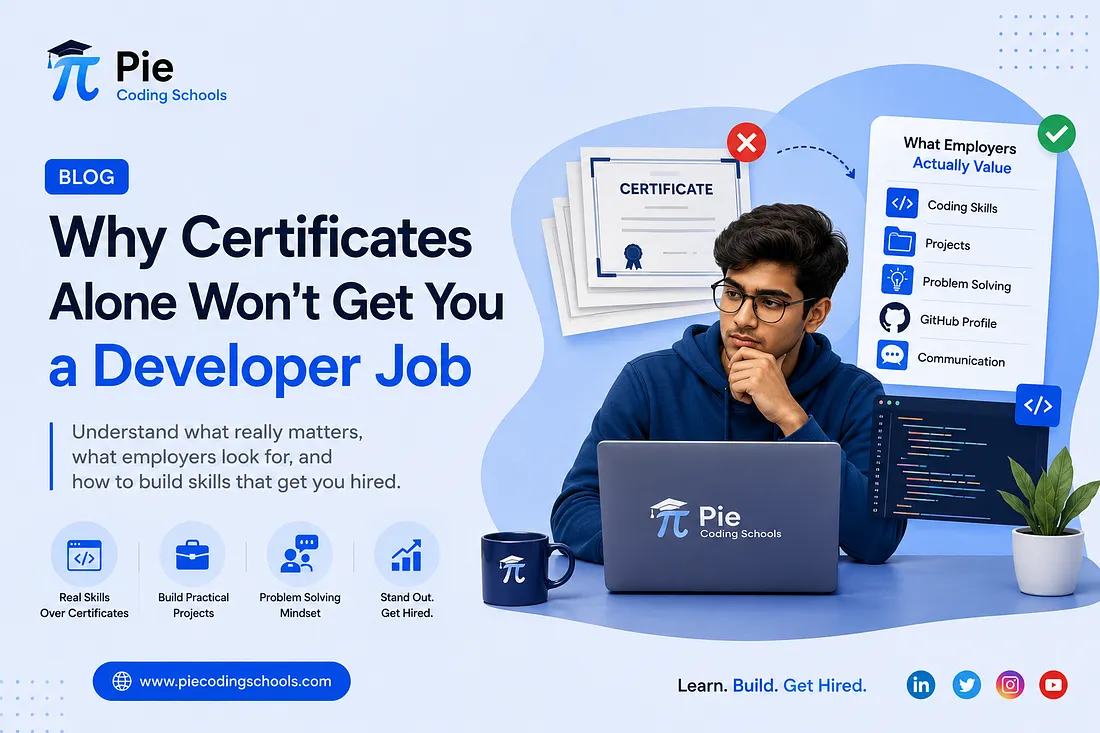
Companies don’t hire people because they have notes.
Companies hire people who can solve problems and build software.
Year 3: AI and Machine Learning
Today, many colleges have started teaching AI and Machine Learning.
AI is an exciting field.
But here’s the important question:
How can students understand AI if they haven’t mastered programming basics?
Without understanding:
- Programming logic
- Data Structures
- Algorithms
- Mathematics
- Problem-solving
AI becomes another theory subject instead of a practical skill.
Learning advanced topics before building a strong foundation often creates confusion instead of confidence.
The Biggest Gap: No Real Projects
Many students complete college without building:
- A website
- An API
- A Full Stack application
- A portfolio
- A GitHub profile
Then they attend interviews.
The interviewer asks:
“Show me your projects.”
Many students have nothing to demonstrate.
The Industry Doesn’t Ask for Notes
Companies don’t ask:
- How many notebooks do you have?
- How many assignments did you write?
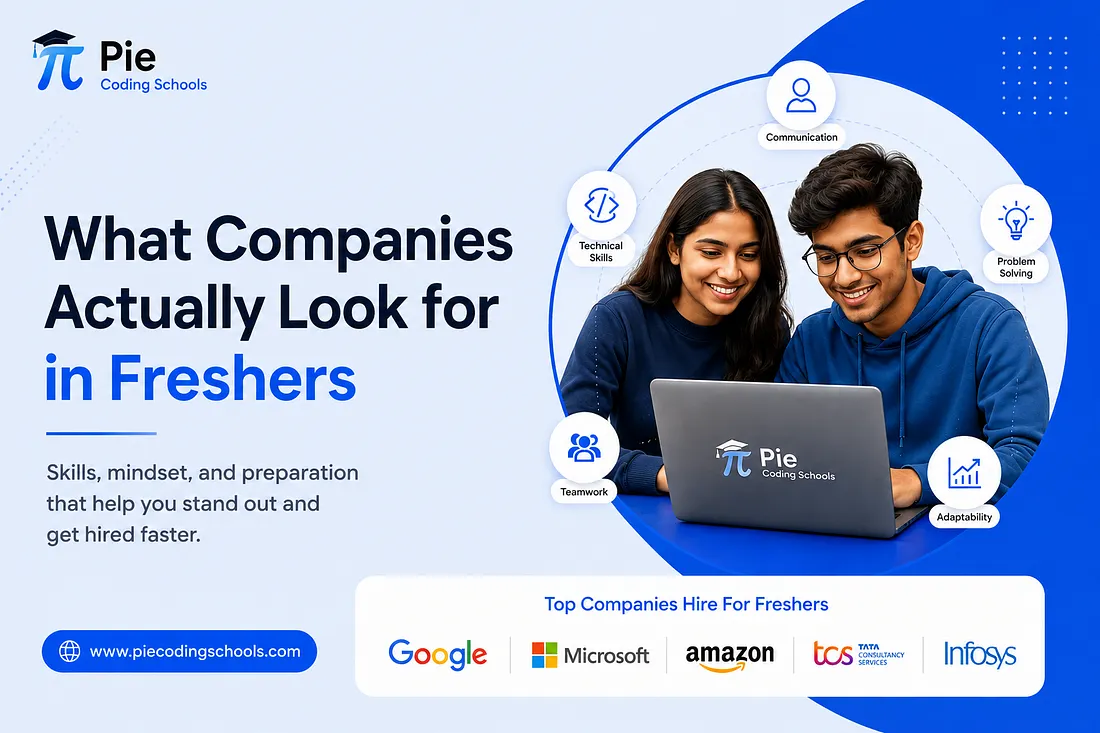
They ask:
- What projects have you built?
- What problems have you solved?
- Can you explain your code?
- Can you work in a team?
- Can you debug an application?
These are practical skills.
Another Challenge
Some colleges have excellent faculty members who guide students well.
However, many institutions, especially in Tier-2 and Tier-3 cities, face challenges such as:
- Outdated curriculum
- Limited industry exposure
- Few practical sessions
- Little focus on project-based learning
- Lack of career guidance
As a result, students often graduate without understanding how software is actually developed in the industry.
Students Slowly Lose Interest
Many students begin college excited about coding.
But after years of theory, assignments, and exams, they start believing:
“Coding is too difficult.”
The truth is:
Coding isn’t boring.
Learning only theory without building anything can make it feel boring.
What Students Should Actually Do
Don’t depend only on your college syllabus.
- Start building.
- Build small projects.
- Upload them to GitHub.
- Practice every day.
- Learn how real software is developed.
- Understand APIs.
- Learn databases.
- Learn Git.
- Learn deployment.
- Improve communication skills.
The earlier you start, the more confident you’ll become.
At Pie Coding Schools, We Believe Learning Should Be Practical
At Pie Coding Schools, students don’t just complete a syllabus.
They build.
They make mistakes.
They debug.
They learn teamwork.
They understand how software companies actually work.
Our mentors have industry experience and guide students through real-world projects, modern development tools, and practical workflows.
The goal isn’t just to complete a course.
The goal is to become industry-ready.
Final Thoughts
A degree is important.
But a degree alone is no longer enough.
The technology industry rewards skills, projects, problem-solving ability, and continuous learning.
If colleges and students work together to focus more on practical learning, we can bridge the gap between education and employment.
Learn Skills. Build Projects. Create Opportunities.
That’s how careers are built.